Key Takeaways
- Nervous system regulation is your body's ability to move through stress and return to calm
- A dysregulated nervous system often feels like anxiety, exhaustion, poor sleep, or being wired and tired at once
- You can begin gently on your own with breath, grounding, movement, and sound
- Regulation is a practice, not a quick fix, and support helps it hold
Nervous system regulation is the quiet skill underneath almost everything I teach. In simple terms, it is your body's ability to move through stress and then come back to calm, again and again. When that movement flows, you feel steady. When it gets stuck, you can feel anxious, wired, or worn out for reasons that are hard to name. If you have felt that way and did not understand why, this gentle guide is for you. We will look at what nervous system regulation is, how to notice when yours is struggling, and simple ways to begin.
None of this asks you to think your way to calm. The nervous system does not speak in logic. It speaks in sensation, breath, and safety. So we will work with the body, gently, at a pace it can meet.
What Is Nervous System Regulation?
Your nervous system is always working in the background, deciding one simple thing: are you safe, or are you under threat? When it senses threat, it speeds you up for fight or flight. Your heart quickens, your muscles tense, your mind races ahead. When it senses safety, it slows you down for rest and repair. Your breath deepens, your shoulders drop, digestion and healing come back online.
Nervous system regulation is the ability to move between those states as life needs, and to return to calm once a hard moment has passed. Think of it as a gas pedal and a brake that are meant to work together. Activation is not the problem. Being unable to come back down is where the strain begins.
There is also a third state worth naming. When stress feels like too much for too long, the body can shut down instead of speeding up. This can feel like numbness, heaviness, or a flat kind of distance from your own life. That is not laziness or failure. It is a nervous system doing its best to protect you.
Signs of a Dysregulated Nervous System
A dysregulated nervous system rarely announces itself clearly. It shows up as a pattern you have learned to live around. See if any of these feel familiar:
- Anxiety that arrives without a clear cause
- Feeling wired and tired at the same time
- Trouble falling asleep, or waking in the small hours with a racing mind
- Feeling on guard, jumpy, or easily startled
- Going numb, flat, or disconnected from people you love
- A tight chest, a clenched jaw, or an unsettled stomach
- Overreacting to something small, then feeling ashamed of it
If you recognise yourself here, please read this slowly: these are signals, not failings. When the body stays on guard long after the danger has passed, that pattern has a name, and you can read more about it in our piece on hypervigilance and the search for safety. When the tank simply runs empty, it can tip into emotional burnout. Both begin in the same place: a nervous system that has not been able to rest.
Why the Nervous System Gets Stuck
Most women I meet are not dramatic cases. They are capable, caring people who have been holding a great deal for a long time. The body keeps score of all of it. Years of pushing through, of managing everyone's feelings, of staying strong, teach the nervous system that it can never quite stand down.
So the alarm stays on, low and constant, even when nothing is wrong in this moment. The body is not broken. It is loyal. It learned to protect you, and it is still doing that job faithfully. Regulation is how we let it know the emergency is over.
Regulation is also where the SheWhoRests Method begins. We settle the body first, then work with the beliefs underneath, then anchor the change in community, because none of those three holds on its own.
How to Regulate Your Nervous System: Gentle Ways to Begin
You do not need special equipment or years of practice. Learning how to regulate your nervous system starts with small, repeatable signals of safety. Try one at a time, and notice what your body prefers.
Breathe low and slow. Let your exhale become a little longer than your inhale. A long, soft out-breath is one of the fastest ways to tell the body it is safe to settle. Even a few rounds can change how you feel.
Ground through your senses. Feel your feet on the floor. Name a few things you can see and hear. Hold something cool or textured. This brings you out of the racing mind and back into the present, where you are actually safe.
Move to complete the stress cycle. Stress is meant to move through the body, not stay in it. Shake out your hands, stretch, sigh, or take a slow walk. Gentle movement tells the system that the threat has passed.
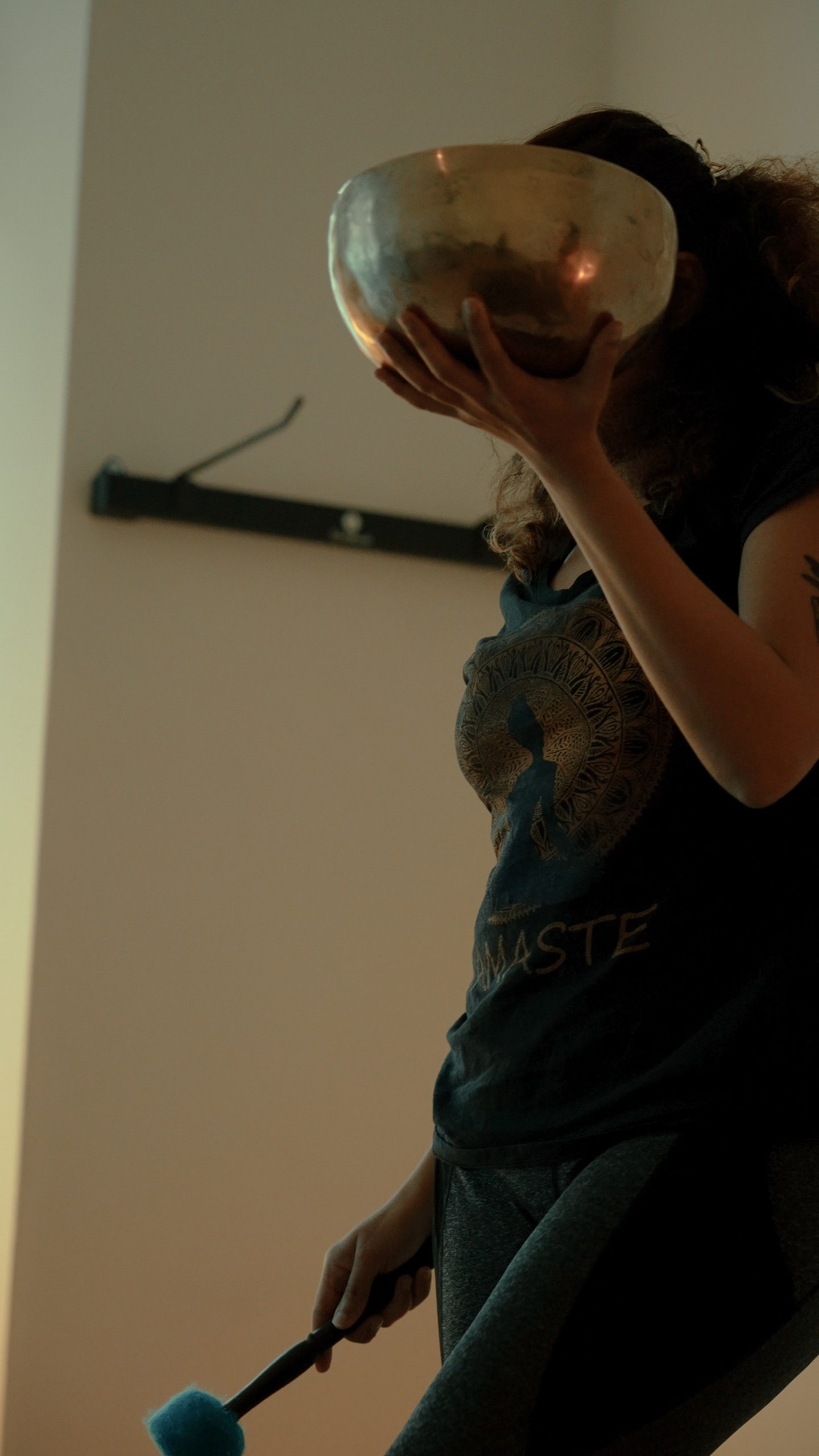
Use sound. Humming, gentle toning, or the long tones of singing bowls create a vibration the body can feel as safety. This is the heart of the sound healing sessions I offer, where you simply lie down and let the sound do the settling for you.
Work with the body directly. Sometimes tension is held so deeply that it helps to be guided through it. Somatic practice works with breath, movement, and awareness to release what the body has been gripping.
Borrow calm from others. Our nervous systems settle in the company of other steady bodies. This is called co-regulation, and it is quietly powerful. Resting in a room of women who are also slowing down is part of why our monthly women's circles in Berlin feel so restorative.
Practised a little at a time, these are also how emotional resilience is built. Not by becoming harder, but by teaching the body that it can soften and recover.
Calming an Overwhelmed Nervous System in the Moment
When overwhelm rises quickly, you need something simple. Here is a short practice for calming an overwhelmed nervous system wherever you are. Take one normal breath in, then a small second sip of air on top, then a long, slow exhale through your mouth. Feel your feet on the ground. Let your eyes move slowly around the room and land on one thing that is calm or neutral. Repeat two or three times. You are not trying to force the feeling away. You are simply reminding your body that this moment is safe.
"In a sound session, I often watch a woman's shoulders drop within minutes. Nothing in her life has changed yet. Her body has simply received the signal that it is finally safe to rest. That is nervous system regulation, and it is available to every one of us."
When to Reach for More Support
This is supportive wellbeing writing, not medical advice, and it does not replace professional care. Nervous system regulation practices sit alongside therapy and medical support. They do not stand in for them. If you are in crisis, feel unsafe, or find you cannot cope, please reach out to a doctor, a therapist, or a local support line where you live. Asking for real, human help is one of the bravest forms of self-care there is.
Frequently Asked Questions
What is nervous system regulation?
Nervous system regulation is your body's ability to move between stress and calm and to return to rest after a hard moment. When it works well, you can respond to pressure and then settle again. When it is disrupted, you can feel stuck in anxiety, overwhelm, or shutdown. It is a skill the body can relearn gently over time.
What are the signs of a dysregulated nervous system?
Common signs of a dysregulated nervous system include anxiety without a clear cause, feeling wired and tired at once, broken sleep, feeling on guard or easily startled, numbness or disconnection, and physical tension such as a tight chest or an unsettled stomach. These are signals from a body that has been under strain, not personal failings.
How long does nervous system regulation take?
There is no fixed timeline. Many women feel a little calmer after a single practice or session, because the body can shift quickly when it feels safe. Lasting change tends to come from small, repeated practices over weeks and months. Nervous system regulation is a practice you return to, not a task you finish.
Can I begin regulating my nervous system on my own?
Yes. You can begin on your own today with slow breathing, gentle movement, grounding through your senses, and sound. Support often helps you go deeper and feel held while you do, whether through sound healing, somatic coaching, or a women's circle. If you feel unsafe or unable to cope, please reach out to a professional as well.
Wherever you are beginning from, your nervous system can learn to feel safe again. That is the quiet promise of nervous system regulation, and it starts with the next slow breath.
Back to your body. Back to rest.
This article is written for educational and reflective purposes and does not constitute medical or psychological advice. If you are experiencing a mental health crisis or need urgent support, please contact a qualified professional or a local support service in your area.