Key Takeaways
- Hypervigilance is the nervous system staying on high alert even when no real threat is present
- Safety is not just a thought - it is a felt, physical experience the body must relearn
- Reiki creates co-regulation: one settled nervous system helps another to settle
- Calm can feel suspicious or wrong when chaos has long been the familiar state
During our daily lives, in between roles and responsibilities, we often forget to take care of ourselves, our nervous system, and our sense of safety. Most of the time, our nervous systems are walking around like unpaid security guards. Always scanning. Always on duty. No lunch break, no self-care, no room for rest.
If you go through your days like this, congratulations. Your nervous system is preparing for burnout without you even noticing.
We are responding to our responsibilities with the same body chemistry our ancestors used for predators. In reality, there is no tiger chasing us. Only Slack messages and emails.
Here Is the Gap
Inside the rush and chaos, our minds actually know that we are safe. But the nervous system does not get the memo. Safety is not just a thought. It is the moment your jaw unlocks, your breath deepens, your heart softens, and your shoulders drop. Suddenly, ease appears. Calm settles into the body. Safety becomes a feeling. The gap between mind and body closes.
But… yes, there is a but.
Calm can feel suspicious when chaos was home.
The body asks: Shouldn't I be doing something?
Nervous system panics.
It whispers: "Wait… why did the chaos disappear? Is this a trap?"
When rush and chaos become normal, we keep searching for danger. Not because it is there, but because the opposite feels unfamiliar. And the mind almost always chooses what it knows.
Here is the gap again.
Then Reiki Enters the Scene
Reiki is a form of co-regulation. You can tell the nervous system "you are safe" all day long, and it will still keep the emergency bag ready.
Reiki does not tell the nervous system "you're okay."
It creates a room where okay is the default.
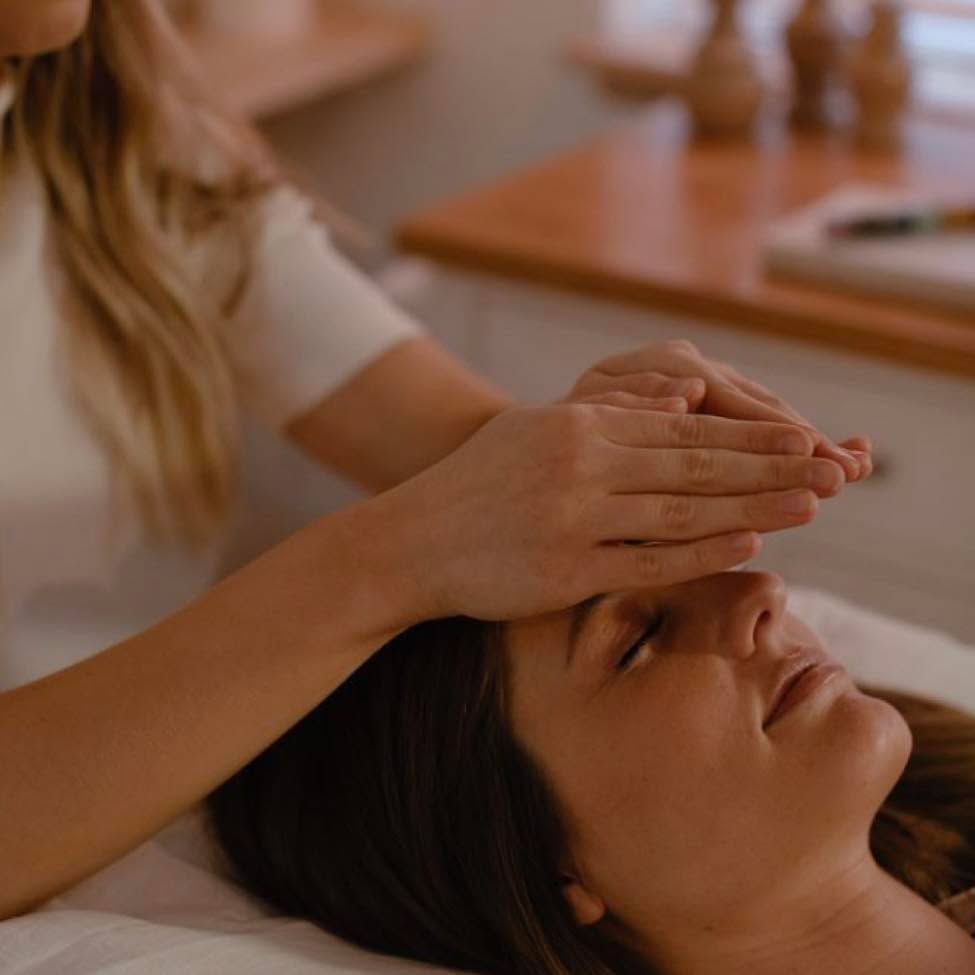
In the presence of Reiki, safety is not announced. It is sensed. When one regulated nervous system is present, another does not need to be convinced. It just needs to notice. Reiki works like that. It does not explain safety. It lets the body experience it quietly, without being chased by words. One regulated system shifts the atmosphere of the room, like turning down the volume on a background alarm you forgot was even playing.
Co-Regulation: The Body's Way of Knowing
Co-regulation with Reiki is the body's version of:
"Oh… you're not reacting. Maybe I don't have to either."
And suddenly the whole system thinks:
"If nothing bad is happening here… maybe nothing bad is happening at all."
Reiki is a form of co-regulation you can share with another human who knows how to hold this kind of space with you. Energetically, mentally, physically. No convincing required. Your mind does not need to sign a consent form or understand what is happening. It can stay skeptical, busy, or mildly annoyed. The rest of your system will still register it. Because while the mind argues, the nervous system is already noticing the quiet, the steadiness, the absence of urgency. And in that moment, without effort or explanation, something in you remembers:
"I'm not in danger. I can put the armor down now."
Before you enter the depths of burnout.
"The most common thing I hear when someone begins to relax during Reiki is: 'Is it okay to feel this? It feels too still.' That's hypervigilance. The body is so used to alertness that peace feels wrong. My job is to hold the steadiness until it starts to feel familiar."
May your days be filled with light, love, and the space you need to breathe.
This article is written for educational and reflective purposes and does not constitute medical or psychological advice. If you are experiencing mental health challenges, please seek support from a qualified healthcare professional.